Geological Origins
Explore how lakes form through tectonic, glacial, and volcanic processes.
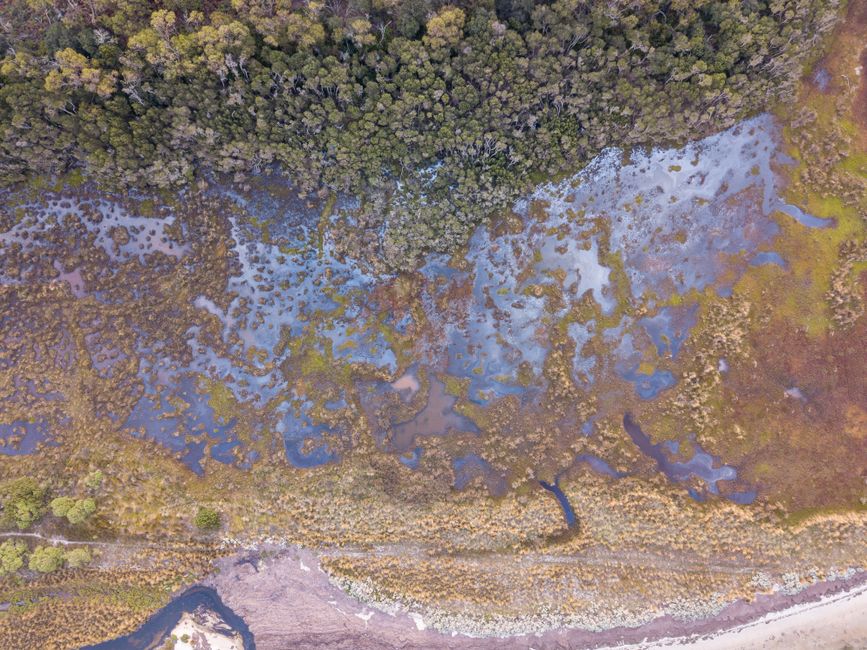

Explore how lakes form through tectonic, glacial, and volcanic processes.
Discover the diverse flora and fauna that inhabit lake ecosystems.
Access structured guides for planning safe and responsible lake visits.
Learn about ongoing research and efforts to protect lake environments.
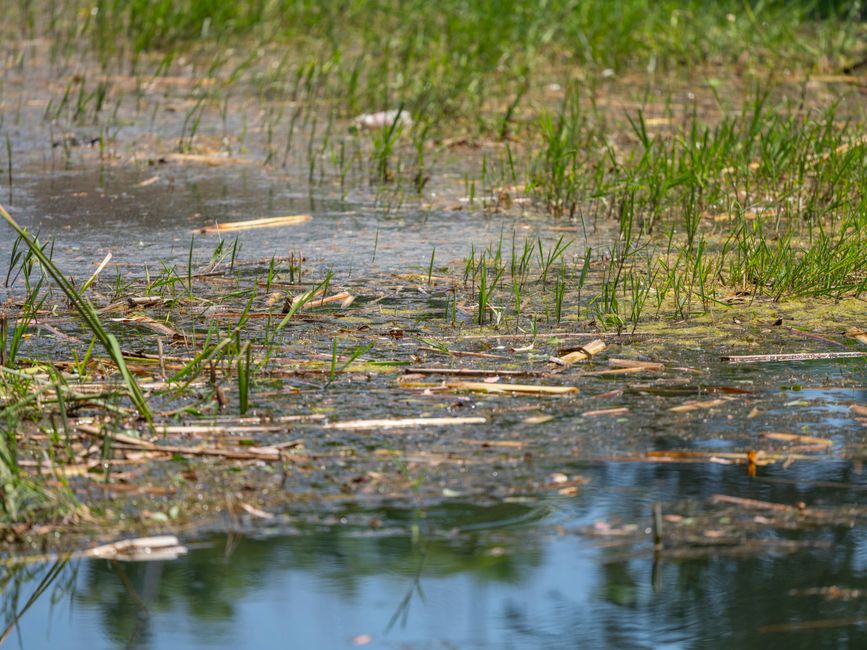
At Lake Insights, our mission is to compile and share objective, well-researched information about lake environments worldwide. We aim to present a structured overview of lake formation, from natural geological processes to human-influenced changes. Our content also covers the ecological dynamics of lakes, including typical species and environmental interdependencies. Additionally, we provide practical frameworks for travellers seeking to explore these natural wonders responsibly. We do not offer personalised advice, but rather a foundation of knowledge that can support informed decision-making. Our goal is to foster understanding and appreciation for these vital ecosystems.
Lake environments are shaped by a combination of geological, hydrological, and biological forces. Their origins can be traced to glacial erosion, tectonic activity, volcanic craters, or river meanders. Each type of formation creates a unique setting that influences the surrounding landscape and the life it supports. By examining these processes, we can better appreciate how lakes evolve over time.
Modern conservation focuses on monitoring water quality, preserving native biodiversity, and managing human impact. Efforts often involve collaborative research between limnologists, local communities, and policy makers. While specific outcomes depend on regional conditions, structured knowledge sharing remains a key tool for supporting these initiatives.