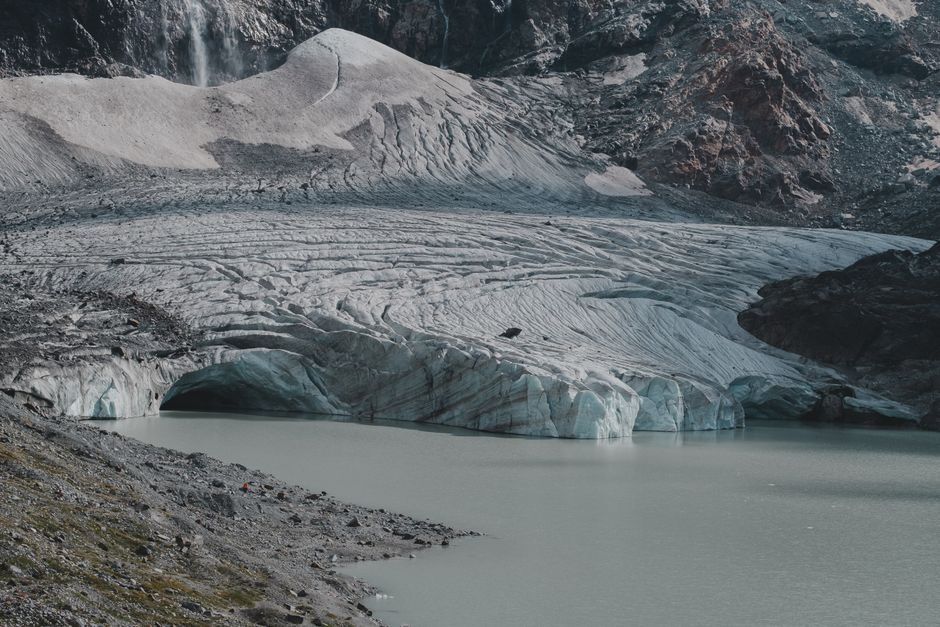
The Unique Ecosystem of Lake Baikal
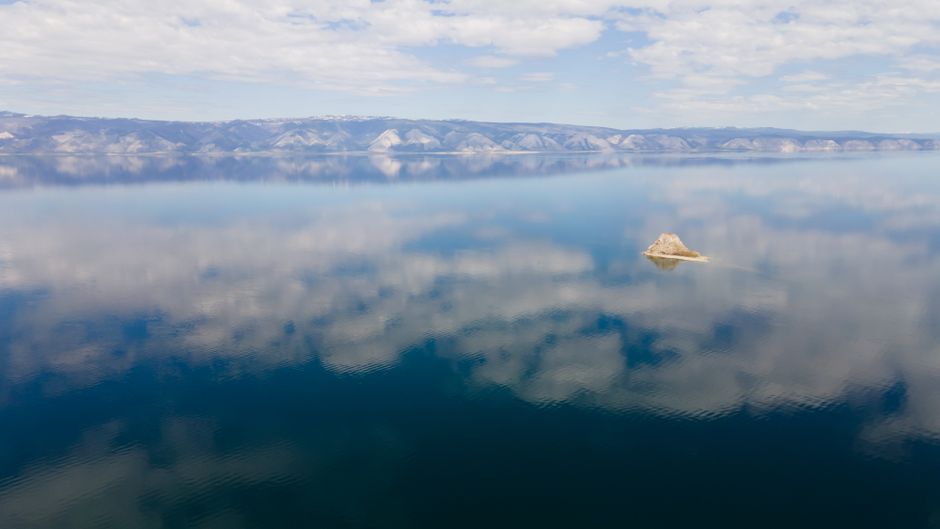
Lake Baikal, located in southern Siberia, is often described as the Galápagos of Russia due to its remarkable concentration of unique life forms. It is the world’s deepest and oldest freshwater lake, holding nearly one-fifth of the planet’s unfrozen surface freshwater. The lake’s isolation over millions of years has fostered an ecosystem where evolution took a distinct path, leading to an extraordinary number of species found nowhere else on Earth. Understanding how this biodiversity arose and what threatens it today provides valuable insight into the processes that shape life in extreme aquatic environments.
The lake’s age—estimated at 25 to 30 million years—and its deep, oxygen-rich waters created conditions conducive to speciation. More than 80% of the lake’s animal species are endemic, meaning they exist only within its basin. This includes not only microscopic organisms but also fish, crustaceans, and the world’s only exclusively freshwater seal: the Baikal seal, or nerpa. The complex food web and the unique adaptations of these species make Lake Baikal a natural laboratory for studying evolutionary biology and ecology.
However, the lake’s exceptional biodiversity is increasingly vulnerable to human pressures, including pollution, climate change, and industrial activity. Conservation efforts must balance local economic needs with the preservation of a globally significant natural heritage. This article explores the defining features of Lake Baikal’s ecosystem, the remarkable endemic species that inhabit it, and the ongoing challenges in safeguarding its future.
The Geological and Evolutionary Context
The origins of Lake Baikal’s biodiversity lie in its geological history. The lake formed within a continental rift zone, a tectonic process that continues to widen the basin at a slow rate. This rift created a deep, elongated depression that filled with water over millennia. Unlike most lakes, which typically fill with sediment and disappear over geological timescales, Baikal has persisted and deepened. The combination of great depth—over 1,600 metres at its deepest point—and long-term stability provided a stable environment where species could diversify without the disturbances that occur in younger, shallower lakes.
The surrounding mountain ranges and the lake’s large volume also contribute to a relatively stable temperature regime in the deeper layers, with water temperatures near the bottom remaining constant at around 3–4 °C. This thermal consistency, along with high oxygen levels throughout the water column, supports a diverse range of organisms from the surface to the abyssal depths. The lake’s isolation from other large freshwater bodies, such as the Arctic Ocean or other Siberian rivers, has limited the influx of competing species, allowing endemic lineages to flourish.
One of the most striking examples of this evolutionary process is the diversity of amphipod crustaceans, of which over 300 species have been described, nearly all endemic. These small, shrimp-like creatures occupy various ecological niches, from scavenging on the lake floor to filtering plankton in the open water. Their adaptive radiation mirrors that seen in cichlid fish in African rift lakes, demonstrating how similar environmental factors can drive speciation in different settings.
Endemic Species and Their Adaptations
The most famous endemic inhabitant of Lake Baikal is the Baikal seal (Pusa sibirica), the only exclusively freshwater seal species in the world. How seals, a group typically associated with marine environments, came to inhabit a landlocked lake has long intrigued scientists. The prevailing hypothesis suggests that ancestral seals travelled from the Arctic Ocean via ancient river systems during a period of glacial retreat and became isolated as the lake’s outlet rivers changed course. Over thousands of generations, they adapted to the freshwater environment, losing the ability to tolerate saltwater for extended periods.
Baikal seals are well adapted to the lake’s conditions. They rely on holes in the ice for breathing during winter and give birth on the frozen surface. Their diet consists mainly of fish, particularly the golomyanka, a unique oil-rich fish that migrates vertically through the water column. The seals’ presence influences the distribution of fish populations and contributes to nutrient cycling within the lake. Their conspicuousness also makes them a flagship species for broader conservation campaigns, as their health often reflects the condition of the entire ecosystem.
Beyond the seal, Lake Baikal hosts an array of other endemic species with remarkable adaptations. The Baikal oilfish, or golomyanka, is translucent and lacks a swim bladder, instead relying on a high lipid content to maintain buoyancy. This fish gives birth to live young, a rare trait in freshwater species. Meanwhile, the freshwater sponges of Baikal form extensive underwater meadows that provide habitat for invertebrates and filter large volumes of water. These sponges, many of which are endemic, are highly sensitive to sedimentation and pollution, making them useful biological indicators for monitoring water quality.
Threats to the Lake’s Ecosystem
Despite the lake’s resilience over geological time, human activities now present substantial challenges. Industrial development along the Baikal shoreline, including pulp and paper mills that operated for decades, introduced chemical pollutants such as dioxins and chlorinated compounds. Although the main mill closed in 2013, contaminated sediments remain and can be remobilised by storms or currents. Runoff from agriculture and urban settlements also carries fertilisers and pesticides into the lake, contributing to localised eutrophication—an increase in nutrient levels that can alter algal communities and reduce oxygen in shallow areas.
Climate change introduces additional stress. Rising air temperatures affect the timing and thickness of the lake’s ice cover, which in turn influences the reproductive cycles of the Baikal seal and the growth of plankton. Warmer water temperatures may also facilitate the establishment of invasive species that compete with native organisms. Scientists have observed declines in the population of the endemic diatom algae that form the base of the food web, potentially disrupting the entire trophic structure.
Another growing concern is the impact of tourism. Lake Baikal attracts visitors from around the world, and while tourism can support local economies, unregulated development leads to habitat destruction, litter, and disturbance to wildlife. The Baikal seal, which hauls out on the ice in winter and on rocky shores in summer, is particularly vulnerable to human approach during these resting periods. Boats and personal watercraft can cause stress, and discarded fishing gear poses entanglement risks.
Conservation Approaches and Ongoing Efforts
Conservation strategies for Lake Baikal must account for its ecological complexity and the socio-economic needs of surrounding communities. The lake was designated a UNESCO World Heritage Site in 1996, recognising its global significance. This designation has spurred the creation of protected areas, including the Baikal Nature Reserve and the Pribaikalsky National Park, which buffer parts of the shoreline from intensive development. However, enforcement of existing regulations remains inconsistent, and illegal logging, poaching, and pollution continue in some areas.
Scientific monitoring programmes play a central role in conservation. Long-term data on water chemistry, plankton communities, and seal populations help researchers identify trends and assess the effectiveness of management measures. For instance, regular surveys of the seal population indicate that numbers have remained relatively stable at around 100,000 individuals, but a rise in disease outbreaks linked to environmental stressors has raised alarms. International collaborations, such as those with the Lake Baikal Protection Fund, support research on emerging threats like microplastic pollution and the spread of parasitic infections.
Efforts to reduce pollution focus on upgrading wastewater treatment facilities along the lake’s tributaries and regulating industrial discharges. Educational campaigns encourage sustainable tourism practices, such as staying on marked trails and avoiding single-use plastics. Local communities are increasingly involved in stewardship programmes, recognising that the health of the lake is tied to their own livelihoods. Although no single measure can guarantee the preservation of such a vast and ancient ecosystem, the combination of strong legal protection, scientific knowledge, and community engagement provides a foundation for long-term stewardship.
The future of Lake Baikal’s unique biodiversity depends not on any single intervention but on a sustained commitment to understanding and respecting the complex systems that sustain it.
In summary, Lake Baikal stands as a testament to the power of evolutionary processes unfolding over millions of years. Its thousands of endemic species, from the microscopic to the charismatic seal, form a web of life unlike any other on Earth. The challenges posed by industrial pollution, climate change, and tourism require careful, adaptive management. By continuing to study the lake’s ecology and applying the lessons learned, it is possible to support both human activities and the natural heritage that makes Baikal so extraordinary.